B Des( Interior Design)
May 22, 2024 2026-03-21 11:44B Des( Interior Design)
Welcome to Bachelor of Design (Interior Design)

Bachelor of Design (Interior Design)
The aim of this department is to bridge the gap between industry and education.
Welcome to the world of Design!
Taking the mission of Skill India forward, Symbiosis Open Education Society announced the establishment of Maharashtra’s first Skill Development University called the Symbiosis Skills and Professional University at Kiwale, Pune. The University was enacted through a bill passed by State Legislation on 3rd May 2017.
The School of Architecture, urban-development and, planning offers Degree programs in high demand sector of Architecture and Design and is committed to start master of Urban Planning and Bachelor of Design ( Interior Design) with multi entry- exit and credit banking options. The Bachelor of Design (Interior Design) programme offered at SAUDP is an additional step towards providing education in the realm of Design and crate individuals who are dynamic, skilled and thorough professionals. The objective of the School is to create ‘industry-ready’ youth in the field of Architecture, Design and Urban Planning, who can be gainfully employed upon completion of their courses.
In today’s visually driven world, design has emerged as a critical component influencing how we interact with our surroundings. From the layout of our homes to the functionality of workplaces, design plays a pivotal role in shaping our everyday experiences.
SCOPE OF INTERIOR DESIGN:
Within the diverse realm of design disciplines, Interior Design stands out as a dynamic field offering exciting career prospects for creative individuals passionate about transforming spaces. It involves a unique blend of creativity, technical skill, and problem-solving abilities tailored to specific applications.
Interior design encompasses a broad spectrum of disciplines, ranging from residential and commercial spaces to hospitality, healthcare, retail, and beyond. As our society continues to evolve, the demand for skilled interior designers has never been greater. Interior designers play a pivotal role in shaping environments that are not only visually appealing but also functional, sustainable, and reflective of the needs and aspirations of the people who inhabit them.
In today’s fast-paced world, where urbanization and technological advancements are reshaping the way we live, work, and interact, interior design has emerged as a critical aspect of architecture and spatial planning. From revitalizing existing structures to conceptualizing innovative design solutions for new constructions, interior designers collaborate closely with architects, engineers, and other professionals to bring their creative visions to life.
Rising Demand for Personalized Spaces: With a shift towards individualized and experiential environments, there will be a heightened demand for interior designers who can create personalized spaces that resonate with diverse lifestyles and preferences.
Integration of Technology: Interior design is increasingly incorporating advanced technologies such as virtual reality (VR), augmented reality (AR), and Building Information Modeling (BIM). Designers adept in these technologies will be at the forefront of shaping future design processes.
Focus on Sustainability: As sustainability becomes a central concern globally, interior designers will play a crucial role in integrating eco-friendly materials, energy-efficient systems, and sustainable design practices into their projects.
Health and Wellness Design: With growing awareness of the impact of built environments on health and well-being, there will be a surge in demand for designers who specialize in creating spaces that promote wellness, comfort, and mental health.
Evolving Workspaces: The nature of work is evolving rapidly, leading to a transformation in office and coworking space design. Interior designers will be instrumental in creating agile, collaborative, and adaptable work environments.
As the world continues to evolve and prioritize creativity, sustainability, and innovation in architectural spaces, the demand for skilled interior designers is expected to grow significantly in the coming years.
CAREER OPPORTUNITIES
The field of interior design offers a plethora of exciting career opportunities for graduates with a Bachelor of Design degree specializing in Interior Design. Graduates may find employment in various sectors, including:
Residential Design: Designing residential spaces such as homes, apartments, and condominiums to meet the functional and aesthetic preferences of homeowners.
Commercial Design: Creating inspiring work environments for businesses, offices, and corporate settings that promote productivity, creativity, and employee well-being.
Hospitality Design: Crafting immersive and memorable experiences for hotels, resorts, restaurants, and entertainment venues that cater to the needs and desires of guests.
Retail Design: Designing retail spaces and stores that captivate customers, enhance brand identity, and drive sales through strategic layout, lighting, and visual merchandising.
Healthcare Design: Developing healing environments for hospitals, clinics, and healthcare facilities that prioritize patient comfort, safety, and well-being.
Sustainable Design: Integrating sustainable principles and practices into design projects to minimize environmental impact and promote ecological stewardship.
Global Market Opportunities: Interior designers with international exposure and cross-cultural design knowledge will find abundant opportunities in the global market, especially in emerging economies undergoing rapid urbanization.
Entrepreneurial Ventures: The field of interior design offers ample scope for entrepreneurial ventures, including starting design studios, consultancy firms, or product design ventures catering to specific niches within the industry.
- Student Start-up & Innovation
- On Job Training (OJT)
- internship Opportunities
- Minor Degree Certification
SSPU-SAUDP offers Certificate program by Project Management Institute, USA opening up doors to employability in national and international organisations.
The University also has collaborations with many International Universities for Student’s Exchange.
Eligibility Criteria for Indian Nationals
1) H.S.C or Equivalent: Passed in the H.S.C. of the Maharashtra Board for Higher Secondary education or equivalent from the any other State Boards.
2) S.S.C + Two Year’s or Three Years’ Diploma course from DTE (MSBTE) Government approved State Board of Technical Education.
3) S.S.C + Any other equivalent Diploma from other state Government approved by the Board of Technical Education / University.
4) Obtained 45% marks (at least 40% marks, in case of reserved categories, EWS & PWD Students belonging to Maharashtra state only) in the qualifying Examination.
OR
Passed D.Voc. Stream in the same or allied sector.
5) Qualifying marks in Aptitude tests like DAT/SET /CEED/ SSPU’s Design Entrance Test
Eligibility Criteria for Foreign/NRI Students
1) 10+2 with any stream 2) 10th + Two Year’s or Three Years’ Diploma Course Government approved Board of Technical Education.
2) S.S.C + Any other equivalent Diploma from other state Government approved by the Board of Technical Education / University.
3) Obtained at least 45% marks in the qualifying Examination.
OR
Passed D.Voc. Stream in the same or allied sector.
4) Qualifying marks in Aptitude tests like DAT/SET /CEED/ SSPU’s Design Entrance Test
5) Students from any Foreign Board must obtain an equivalent certificate from the Association of Indian Universities (AIU) (the application format is available on AIU website link: https://www.aiu.ac.in/documents/index/downloads/evaluation%20for m.pdf
6) All foreign qualifications need to be verified by the AIU by the candidate before seeking provisional admission.
7) Qualifying marks in Aptitude tests like DAT/SET /CEED/ SSPU’s Design Entrance Test
Lateral Entry for Second Year B.Des.
1 .SSC + Three years’ diploma in Interior Designing or Architectural Asst. ship from Government approved State Board of Technical Education.
2 .HSC + 2 years of diploma in interior Design approved state Board of Technical Education
3.Any other equivalent Three Year’s Diploma from Government approved State Board of Technical Education / University with Engineering Drawing as a Compulsory subject.
4. Obtained at least 45% marks (at least 40% marks, in case of reserved categories, EWS & PWD Students belonging to Maharashtra state only) in the qualifying Examination. Note: Lateral Entry admission will be subject to a minimum of 70% course mapping.
The Bachelor of Design program with a specialization in Interior Design offers an exciting journey into the realm of aesthetic expression, spatial planning, and design innovation. This interdisciplinary field combines artistry, technical skills, and a deep understanding of human behaviour to create interior spaces that enhance the quality of life and elevate the human experience.
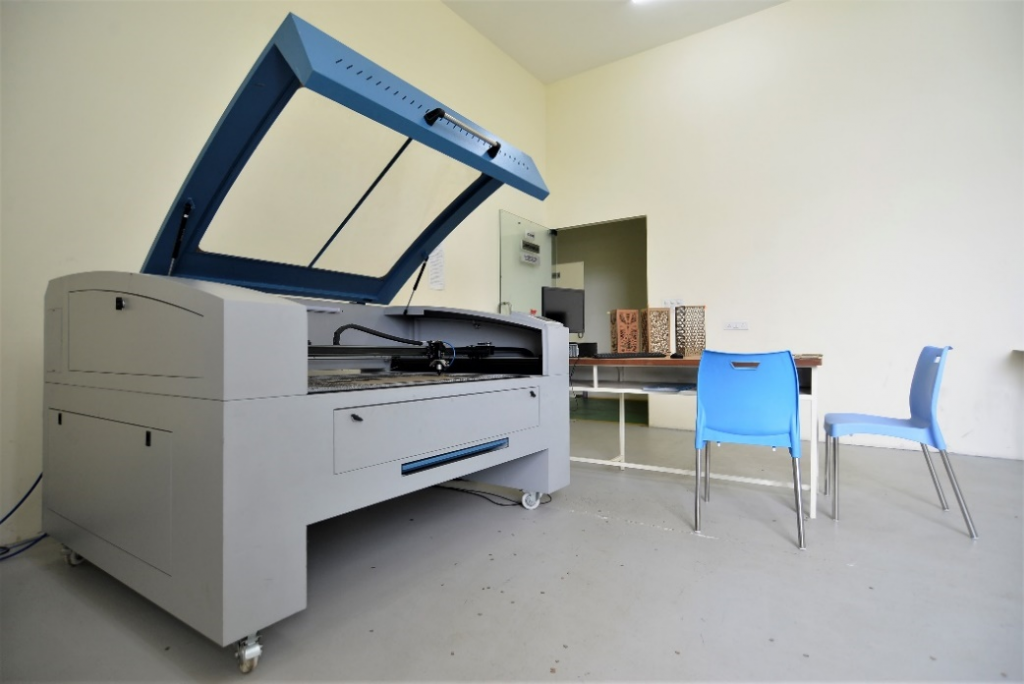
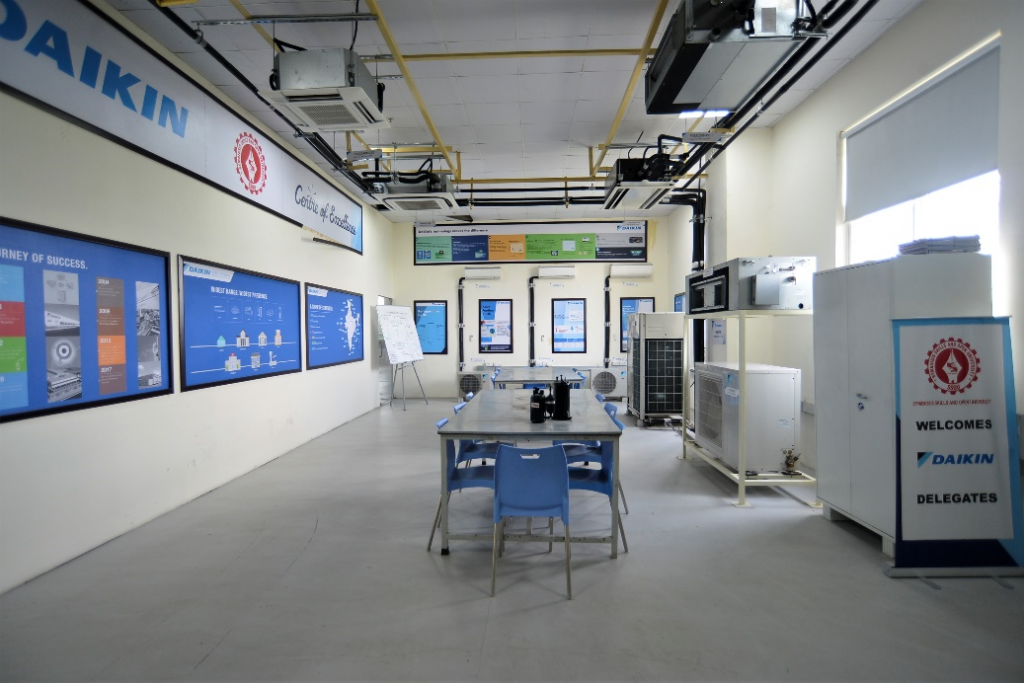
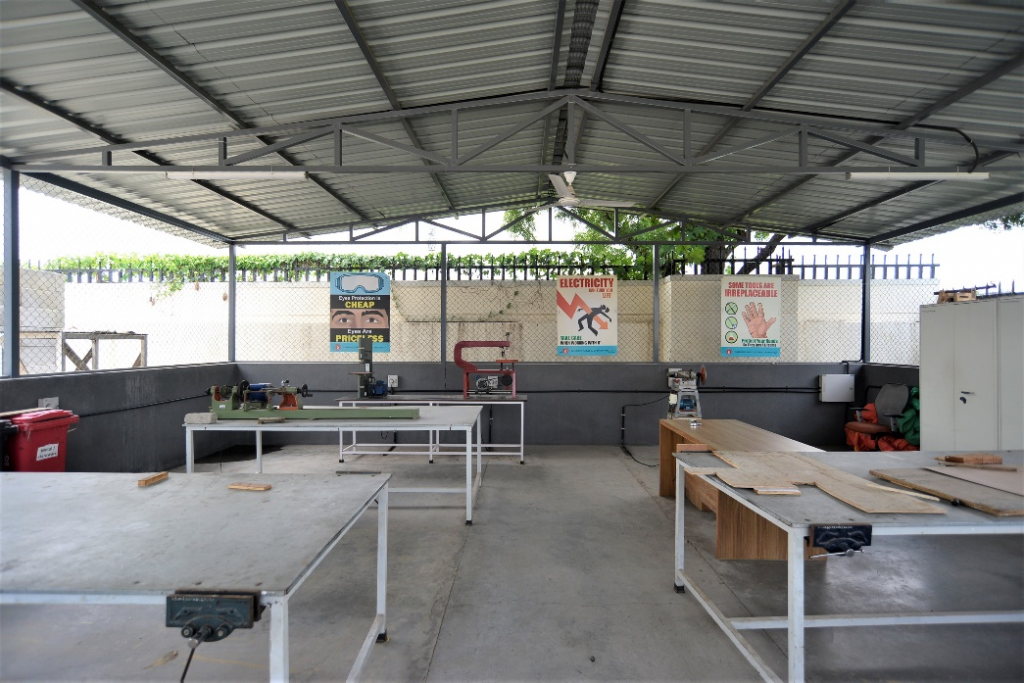
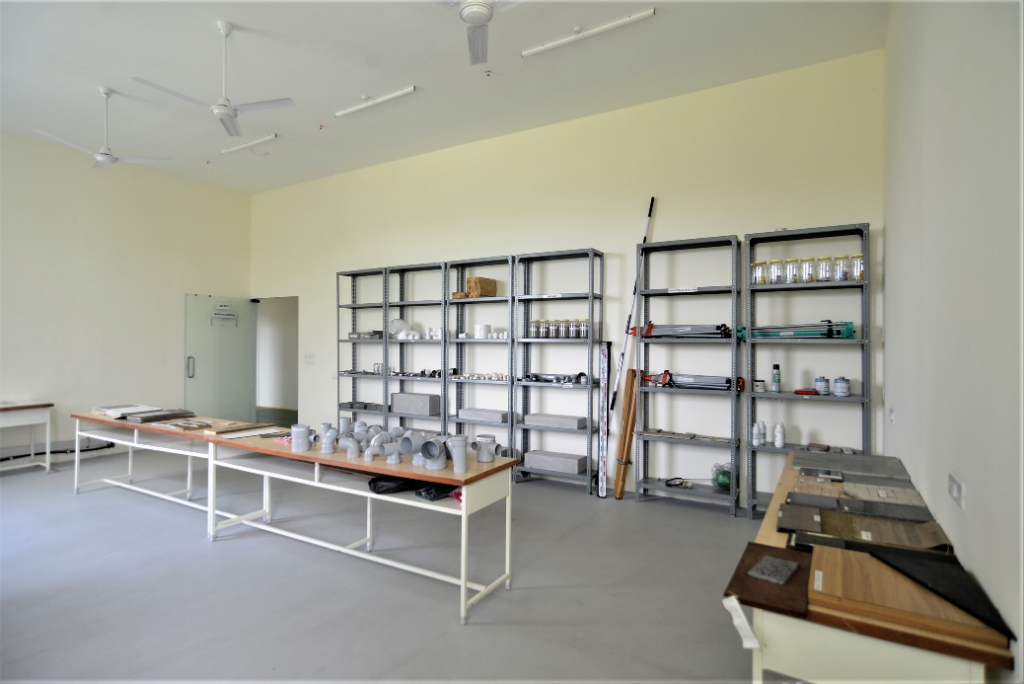
The curriculum includes humanities, skill-enhancement courses, professional groups, and open electives to support transdisciplinary learning and professional skills. The curriculum examines additional learning channels beyond the core disciplines for holistic growth in addition to providing possibilities and scope for learning essential subjects in Interior Design at Symbiosis School of Architecture. Partnerships with industry and various government/non-government agencies for joint curricula development, skill training, on the job training, joint applied research projects, etc. will be undertaken by the School. Centre of Excellence, labs with latest softwares, and training workshops are created in the University to impart skill and practical training.
Bachelor of Design (Interior Design) | |
| Course Structure (Semester 01) | |
| Sr No | Course Name |
| 1 | Basic Fundamentals of Art and Design |
| 2 | Material Exploration and Model Making |
| 3 | Visualisation and Representation I |
| 4 | Cultural Studies |
| 5 | Elective I |
| 6 | IDSC 1: Indian Knowledge System |
| 7 | IDSC – II, Open Elective (July Session) University offers a curated bouquet of courses to be undertaken through Massive Open Online Courses (MOOCs) by all undergraduate (UG) students admitted to the University (minimum 2 credits). |
Bachelor of Design (Interior Design) | |
| Course Structure (Semester 02) | |
| Sr No | Course Name |
| 1 | Interior Space Studio |
| 2 | Interior Construction, Materials and Services I |
| 3 | Visualisation and Representation II |
| 4 | History of Interior Design I – World History |
| 5 | Elective II |
| 6 | Craft Studio I – Mapping and Documentation |
| 7 | IDSC 1:Career Development Skills |
| 8 | IDSC – II, Open Elective (January Session) Even Semester (January Session), students are required to select and complete courses offered through SWAYAM / NPTEL (minimum 2 credits) platforms as part of their UG programme requirements. |
| 9 | Internship |
Bachelor of Design (Interior Design) | |
| Course Structure (Semester 03) | |
| Sr No | Course Name |
| 1 | Design Studio I – Residential Studio |
| 2 | Interior Construction, Materials and Services II |
| 3 | Visualisation and Representation III |
| 4 | History of Interior Design II – Indian History |
| 5 | Elective III |
| 6 | Craft Studio II – Product Design |
| 7 | IDSC 1: Constitution of India |
| 8 | IDSC – II, Open Elective (July Session) University offers a curated bouquet of courses to be undertaken through Massive Open Online Courses (MOOCs) by all undergraduate (UG) students admitted to the University (minimum 2 credits). |
Bachelor of Design (Interior Design) | |
| Course Structure (Semester 04) | |
| Sr No | Course Name |
| 1 | Design Studio II – Retail and/or Commercial Interiors |
| 2 | Interior Construction, Materials and Services III |
| 3 | Advanced Digital Tools |
| 4 | Elective IV |
| 5 | Craft Studio III – Furniture Design |
| 6 | Working Drawing for Interiors I |
| 7 | IDSC 1:Career Progression Skills |
| 8 | IDSC – II, Open Elective (January Session) Even Semester (January Session), students are required to select and complete courses offered through SWAYAM / NPTEL (minimum 2 credits) platforms as part of their UG programme requirements. |
| 9 | Internship |
Bachelor of Design (Interior Design) | |
| Course Structure (Semester 05) | |
| Sr No | Course Name |
| 1 | Design Studio IV |
| 2 | Interior Construction, Materials and Services IV |
| 3 | Elective V |
| 4 | Working Drawing for Interiors II |
| 5 | Landscape and Interior Environment |
| 6 | Digital Marketing |
| 7 | Estimation and Specification I |
| 8 | IDSC 1: EVS and Sustainability |
| 9 | IDSC – II, Open Elective (July Session) University offers a curated bouquet of courses to be undertaken through Massive Open Online Courses (MOOCs) by all undergraduate (UG) students admitted to the University (minimum 2 credits). |
Bachelor of Design (Interior Design) | |
| Course Structure (Semester 06) | |
| Sr No | Course Name |
| 1 | Design Studio V |
| 2 | Interior Construction, Materials and Services V |
| 3 | Elective VI |
| 4 | Working Drawing for Interiors III |
| 5 | Innovation and Entrepreneurship |
| 6 | Estimation and Specification II |
| 7 | Dissertation – Research Project |
| 8 | IDSC 1: Professional Ethics and Inclusive Practices |
| 9 | IDSC – II, Open Elective (January Session) Even Semester (January Session), students are required to select and complete courses offered through SWAYAM / NPTEL (minimum 2 credits) platforms as part of their UG programme requirements. |
| 10 | Internship |
Bachelor of Design (Interior Design) | |
| Course Structure (Semester 07) | |
| Sr No | Course Name |
| 1 | Thesis (Research / Design) |
| 2 | Professional Practice |
| 3 | Project Management |
| 4 | Design Thinking, Innovation and Entrepreneurship |
| 5 | Landscape and Interior Environment |
Bachelor of Design (Interior Design) | |
| Course Structure (Semester 08) | |
| Sr No | Course Name |
| 1 | Professional Internship (6 MONTHS) |
Fee Details For Indian Student
| (New Admission – 2026-27) | ||||
| Caution Money | Academic Fees | Total Fees | 1st Installments | 2nd Installments |
| At the time of Admission | Due Date – 31-10-2026 | |||
| 10,000 | 2,24,500 | 2,34,500 | 1,29,500 | 1,05,000 |
| ((Existing Students-2026-27)) | ||||
| Academic Fees | 1st Installments | 2nd Installments | ||
| Due Date – 31-07-2026 | Due Date – 31-10-2026 | |||
| 2,24,500 | 1,19,500 | 1,05,000 | ||
| Hostel Charges | ||
| 1 | 2 Seater Non-AC Rooms | 2,05,000 |
| 2 | Hostel Caution Money (Refundable) | 15,000 |
Fee Deatils For NRI Student
| (New Admission – 2026-27) | ||||
| Caution Money | Academic Fees | Total Fees | 1st Installments | 2nd Installments |
| At the time of Admission | Due Date – 31-10-2026 | |||
| 10,000 | 2,74,500 | 2,84,500 | 1,54,500 | 1,30,000 |
| (Existing Students-2026-27) | ||||
| Academic Fees | 1st Installments | 2nd Installments | ||
| Due Date – 31-07-2026 | Due Date – 31-10-2026 | |||
| 2,74,500 | 1,44,500 | 1,30,000 | ||
| Hostel Charges | ||
| 1 | 2 Seater Non-AC Rooms | 2,05,000 |
| 2 | Hostel Caution Money (Refundable) | 15,000 |